
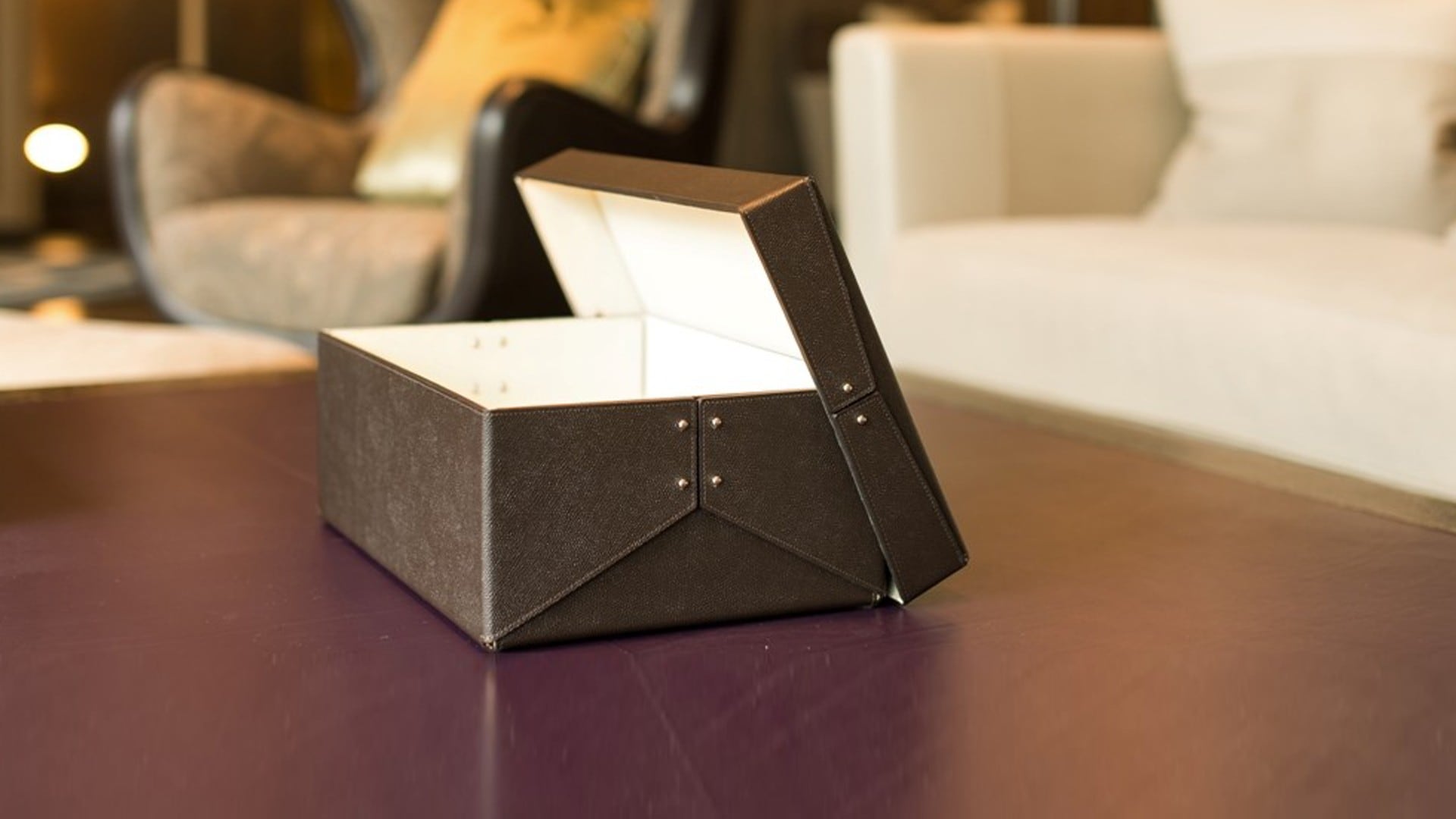
The fashion industry traditionally focuses on fabric, tailoring, and silhouette. Yet one essential factor remains largely unspoken — the environment in which garments exist after production. It is this environment that ultimately determines whether a piece retains its architecture over seasons, years, or even decades.
Today, storage is no longer a domestic concern.
It is becoming part of a professional standard.
A collection does not live exclusively on the runway or in a lookbook. It spends months in showrooms, boutiques, and eventually in the private wardrobes of clients. If that environment is poorly structured, form gradually deteriorates. In the premium segment, this is not merely an aesthetic issue — it becomes a reputational one.
Storage as an Extension of Production Discipline
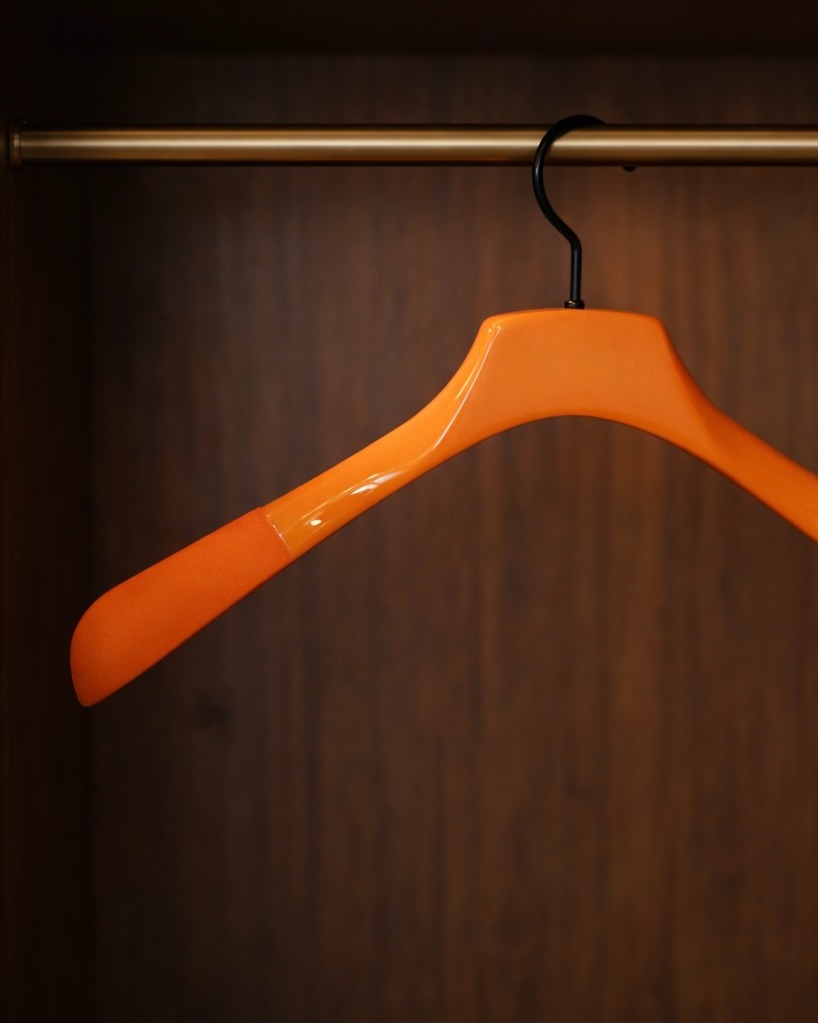

Every garment is engineered tension: the line of the shoulder, the balance of fabric weight, the distribution of internal structure. When placed on an inadequate hanger, this balance begins to shift. Deformation is subtle at first, almost invisible, but over time it becomes undeniable.
For this reason, leading brands and showrooms increasingly treat storage as part of quality control.
Material selection plays a decisive role. Hangers crafted from solid beech wood provide stable support without concentrated pressure points. The density of the wood sustains the weight of structured coats and tailored jackets while preserving their geometry. Unlike lightweight alternatives, solid wood maintains its integrity under long-term load.
German-engineered metal hardware adds mechanical precision — particularly important in high-traffic environments where durability is essential.
Five Factors Shaping a New Approach to Storage
-
Extending the product life cycle.
Proper structural support reduces deformation and prolongs the lifespan of garments. -
Maintaining collection integrity.
A unified hanger system reinforces visual discipline within showrooms and boutiques, strengthening brand perception. -
Integration with spatial architecture.
The ability to finish both wood and metal components in any PANTONE colour allows storage systems to align seamlessly with interior concepts and brand identity. -
Functional precision for diverse garment categories.
Velvet shoulders, structural notches, trouser bars and clips provide appropriate support for complex constructions without leaving marks or stress points. -
Personalisation as an extension of identity.
Laser engraving, enamel applications, brand logos or even family crests transform storage into a continuation of brand DNA or private legacy.
From Industry to Private Client

What began as a professional necessity is now migrating into private spaces. Clients investing in premium wardrobes increasingly view storage systems as a strategy for protecting their investment.
PRUSSARIO represents one example of how aesthetics and engineering intersect within this evolving standard. Solid beech construction, German hardware, full PANTONE customisation and advanced personalisation options position storage not as an accessory, but as infrastructure.
A Trend Beyond the Runway
The industry’s shift toward responsibility extends beyond sustainable production. It includes how garments are preserved after purchase. Reduced deformation means fewer replacements, longer product life, and greater respect for design.
Form requires environment.
And the higher the segment, the stricter the requirements for that environment.
Storage is no longer background.
It is becoming part of fashion’s structural ecosystem.