
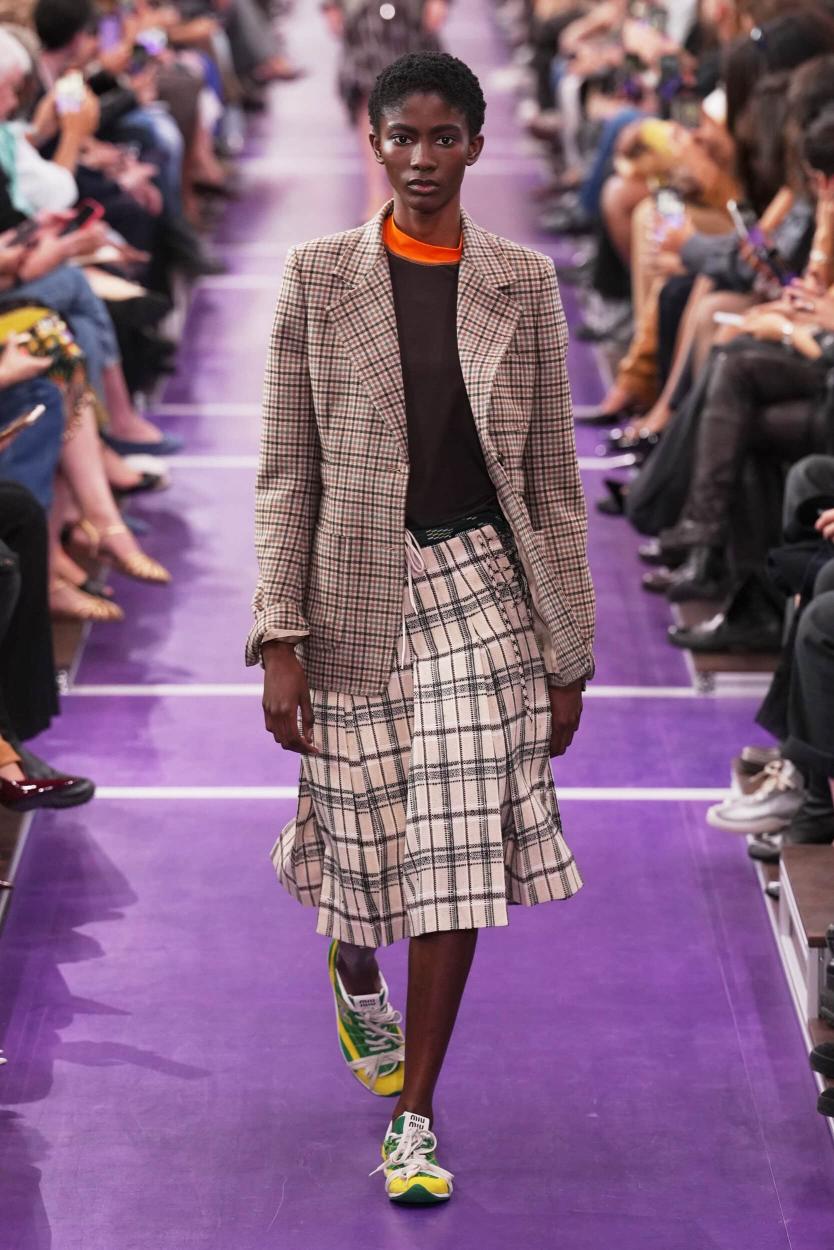
Overview: Validate seasonal collections by cross-referencing runway intelligence with historical sales performance and consumer sentiment metrics. Aligning creative vision with predictive analytics ensures that design choices resonate with market demand. By integrating trend forecasting data into the development phase, teams mitigate inventory risks and confirm that every silhouette, colour, and fabric choice supports strategic commercial objectives.
Aligning Creative Concepts with Market Intelligence
Begin by mapping your initial design concepts against current runway analytics and long-term trend intelligence. This process identifies whether your aesthetic direction aligns with the broader shifts in consumer preference expected for the upcoming season.
- Compare your mood boards against documented shifts in global runway themes.
- Analyse the longevity of specific design elements to ensure they remain relevant throughout the selling period.
- Review consumer sentiment data to confirm that your chosen themes match current lifestyle shifts.

Refining Product Specifications Using Performance Data
Once the creative direction is set, use historical performance data to refine specific product attributes. Look for patterns in past successes and failures to inform your current fabric, colour, and fit decisions. This step transforms subjective design choices into objective, evidence-based product development.
- Evaluate the sell-through rates of similar silhouettes from previous seasons.
- Assess the popularity of specific colour palettes within your target demographic.
- Identify which fabric compositions consistently meet quality and comfort expectations.
Finalizing the Assortment Strategy
The final stage involves balancing the collection to ensure it meets both creative and commercial goals. Use predictive modelling to simulate how your assortment will perform in different retail environments. This ensures that the depth and breadth of your collection are optimized for maximum engagement.
- Check the balance of core items against trend-led pieces.
- Verify that your price architecture aligns with the purchasing power of your primary consumer base.
- Confirm that the collection offers a cohesive narrative while addressing diverse market needs.
Frequently asked questions-
How far in advance should I start validating my collection?
Validation should begin during the initial conceptual phase, often up to two years before the product hits the market, to allow sufficient time for design adjustments.
What is the most important data point for retail merchandisers?
Retail merchandisers should prioritise historical sell-through data alongside forward-looking consumer sentiment to balance proven winners with necessary innovation.
Can data analytics help with sustainable design choices?
Yes, analytics help identify which materials are gaining long-term consumer favour, allowing designers to invest in sustainable fabrics that are likely to maintain market relevance.